Painter in Kew East, VIC
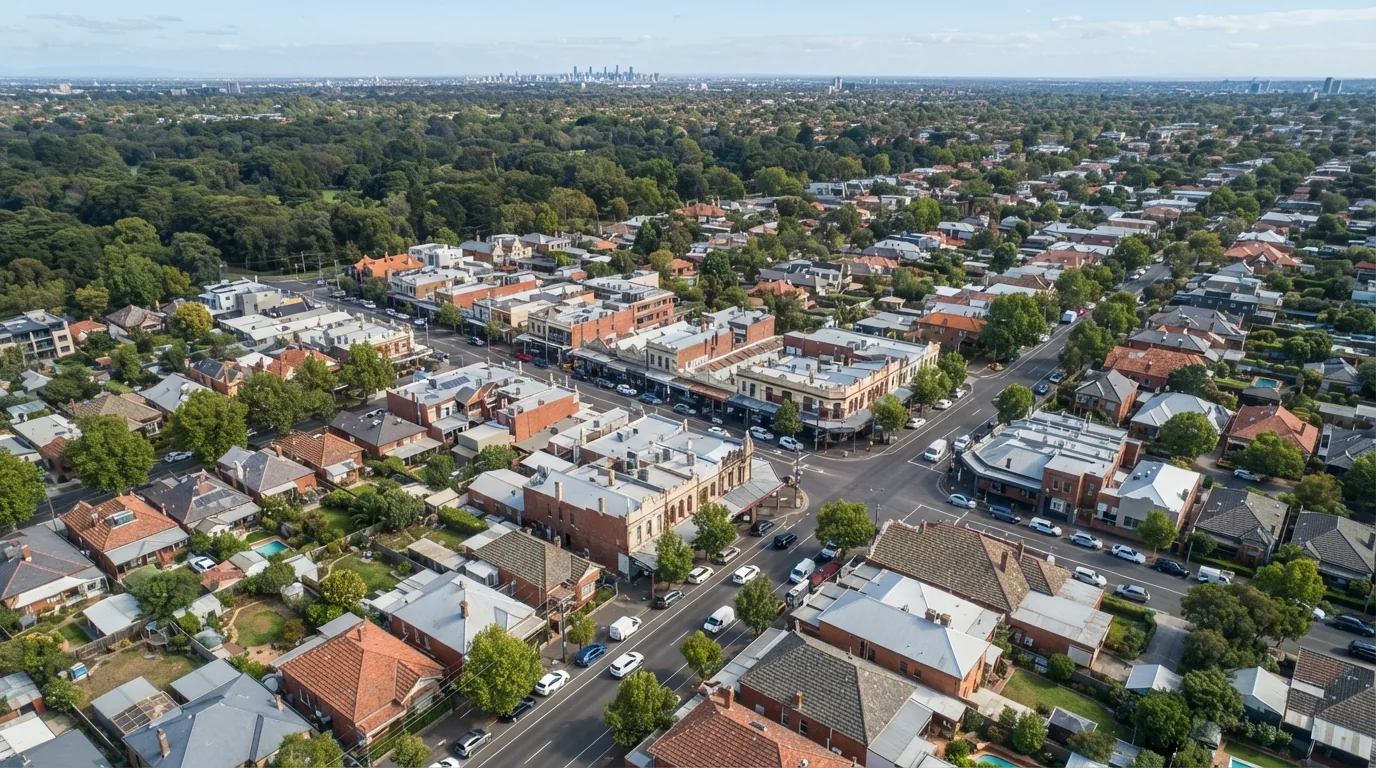
Kew East, from Harp Village to Hays Paddock
Kew East is a quieter part of Kew, and most of the painting here is in family homes. The streets north of High Street hold interwar bungalows, post-war brick houses and a growing number of rebuilds, from around the Harp Village shops near Harp Road to the streets beside Hays Paddock. The work is mostly repaints of original houses and full interiors of the new ones.
Most blocks are a good size, with a driveway and easy street parking, so the vehicle can usually park close to the work. Some blocks slope, which means footing ladders on uneven ground on the low side. Established gardens, side fences and garden beds against the house are covered and tied back before an exterior starts, and a note about the side gate and any dog saves time on the first morning.
The interwar bungalows are brick or weatherboard with wide eaves, gable fronts, timber windows and plaster ceilings, and the post-war houses are cream or clinker brick veneer with timber eaves and fascias. The timber on both wears first, and old fibre cement eave sheet is treated as possible asbestos, so it is tested first and not sanded or scrubbed hard. The rebuilds are square set plaster inside and rendered or clad outside, which needs a primer and coating suited to render and cladding.
What we do here most
What Kew East keeps needing
Most jobs here are family homes, either an original being looked after or a rebuild getting its first coats.
Exterior painting
Gable fronts and eaves on an interwar bungalow
The gable facing the street and the wide eaves take most of the weather on bungalows here, and that is where the paint lifts first. The timber is scraped back with dust controlled because old paint may contain lead, then repaired where soft and primed. Cracks in any render are filled, and the front is painted in a scheme that suits the house. Face brick is left as it is.
House repainting
A post-war family home repainted inside
Long held post-war houses here often need the whole inside done at once: ceilings, walls, doors and trims. Cracked joints are retaped, holes are filled, and the rooms are worked through in an order that lets the family keep living in the house. The colours are written down so a later touch up matches exactly.
New build painting
First coats inside a new double storey
Rebuilds here are often two storeys with a stair void, high ceilings and long flat walls under big windows. New plaster is sealed before the top coats, the void is reached from a platform, and the work is timed with the builder so floors and joinery stay protected. Walls are rolled corner to corner to keep lap marks down in side light.
Decks and fences
A back deck and fence weathered grey
Family houses here often have a timber deck and a paling fence that have gone grey and rough after a few summers. The deck is cleaned and recoated, loose boards are refixed, and the fence is stained on your side, or both sides if the neighbour agrees. The back yard stays usable for most of the job.
If it is urgent
If water comes through a ceiling in Kew East
- 1Check whether the stain lines up with a gutter, a valley in the roof or an upstairs bathroom. Put a bucket under any drip and switch off the power at the board for any light fitting near the water.
- 2Leave a bowing ceiling alone and keep people out from under it. Do not paint over the stain, and stay off the roof in the rain.
- 3When you call, say whether it is a bungalow, a post-war house or a rebuild, which room is affected, and whether the leak has been found. Tell us whether the driveway is clear for a ladder.
Common questions
Frequently Asked Questions
Which parts of Melbourne do you work in?
Melbourne's eastern and inner south-eastern suburbs, from Box Hill, Blackburn and Doncaster through Balwyn, Kew and Camberwell to Richmond, Toorak, Malvern, Prahran and Caulfield. All 25 suburbs are listed on the service areas page. If yours is not there, ask anyway, because the list is where the work goes most often rather than a fence.
Do you do plastering as well as painting?
Yes. Cracks, holes, water damaged patches and loose ceiling sheets are repaired and sanded before the paint goes on, so the repair and the painting are planned as one job rather than two trades working around each other. Most repaints in older houses need some of this, and it goes on the quote as its own line.
Can you fix rotten timber or a sticking door while you are here?
Yes, carpentry and fixing is one of the services, and it usually goes alongside the painting. Rotten weatherboards, soft window sills, loose skirting, sticking doors and broken fence palings are the common ones. Mention them when you call so they are in the quote rather than found on the day.
Do you do insurance repair work?
Yes. Painting and plaster repairs after a leak, a storm or an impact are one of the services. If you have a claim number or an assessor's report, send it with your enquiry and the quote is written against the same items, which makes the two easy to compare.
Do you give a written quote before starting?
Yes. You get it in writing before any paint is bought, listing the rooms or walls, the repairs, the preparation and the number of coats. If something changes once work starts, such as rot under a window sill, it is written down and you decide before it is done.
What do you need from me to quote?
Which rooms or which sides of the house, roughly how big they are, and a few photos taken in daylight. Point out anything flaking, cracked or stained, because preparation changes a quote more than size does. For outside work, say whether the house is single or double storey.
Can you help us choose colours?
We can talk through what tends to work on the house you have and how a colour behaves on that surface in that light. A sample patch on the actual wall is the most reliable way to decide, and it is worth doing before a full tin is bought. The final choice is always yours.
Do I need to move the furniture out first?
No, though clearing small and fragile things off shelves and walls helps. Larger furniture is moved to the middle of the room and covered, and floors are covered before anything is opened. Tell us about anything that cannot be moved, such as a piano or built in shelving.
What hours do you work?
Monday to Friday, 7:30am to 5:30pm. If you live in an apartment or a townhouse with set hours for trades, tell us when you call and the work days are planned inside them.
How long does a room or a house take?
It depends on the preparation more than the painting, so the honest answer comes with the quote rather than before it. A bedroom with sound walls is a different job from one with cracked plaster and a stained ceiling. Outside work also depends on the weather, because paint needs dry surfaces and mild days to go on well.
What happens if it rains during an outside job?
Work on the outside stops while the surfaces are wet, because paint put over damp timber or render does not hold. The day is moved rather than pushed through, and inside work can sometimes fill the gap. We let you know as soon as a day has to move.
Is old paint on an older house a problem?
It can be. Paint on houses built before the 1970s may contain lead, and that changes how it should be prepared, because dry sanding it spreads the dust. Tell us roughly when the house was built and we will talk it through before anything is quoted.
Everything we do here
Services in Kew East, VIC
These are the eleven things we do across Melbourne, done here to suit interwar bungalows, post-war family homes and the rebuilds going up beside them.
Local, and on the phone
Painting work in Kew East
Call or email and say whether the house is a bungalow, a post-war house or a rebuild. That one answer tells us most of what the preparation will involve.
0431 639 501Monday to Friday, 7:30am to 5:30pm
Not urgent? Send us the job instead